
How to build a neighborhood food drop people can rely on
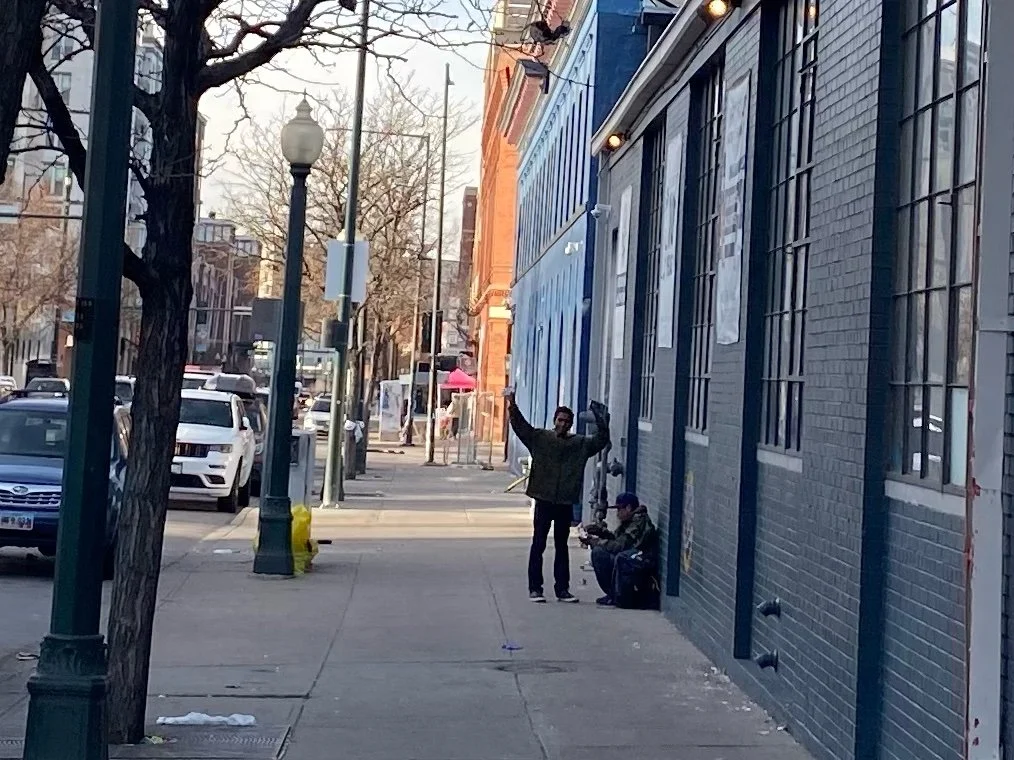
Show up.
The strongest nonprofit ideas are not always the most visible ones. They are the ones people can count on. Our model is simple and direct….we hand deliver free rice rolls. Donations and store revenue fund the work. The rolls are made from rice, eggs, butter, and spices, then frozen until the next drop date, heated, transported to select sites in Denver, and handed to people who need them.
That same lesson should guide how we think about community food programs more broadly. If a program is too complicated, it becomes hard to repeat. If it is hard to repeat, it becomes hard to trust. And if people cannot trust that a meal will show up consistently, the program will never reach its full impact.
That is why I would choose a topic that is different from the usual conversation about donations, shelf life, or ingredient efficiency. How to build a neighborhood food drop people can rely on.
A reliable food drop starts with a narrow promise. Serve one item well. Serve it on time. Serve it in a place people can reach. That is easier to scale than trying to solve every need at once.
Consistency matters because hunger is not tidy. People do not experience food insecurity only during emergencies. They experience it when work hours change, when transit fails, when a check is late, or when a pantry is too far away. A strong food drop has to fit into real life. It needs a predictable location, a familiar time, and a process people can understand quickly.
The same is true for volunteers. Good intentions are not enough. Volunteers need a role they can learn fast and repeat without confusion. A simple system reduces mistakes, lowers stress, and helps new people join without special training. That is how a local effort becomes a dependable one.
There is also a fundraising lesson here. People give more confidently when they understand exactly what their support does.