
Rice vs. Other Staples: Which Food Delivers the Most Meals Per Dollar?
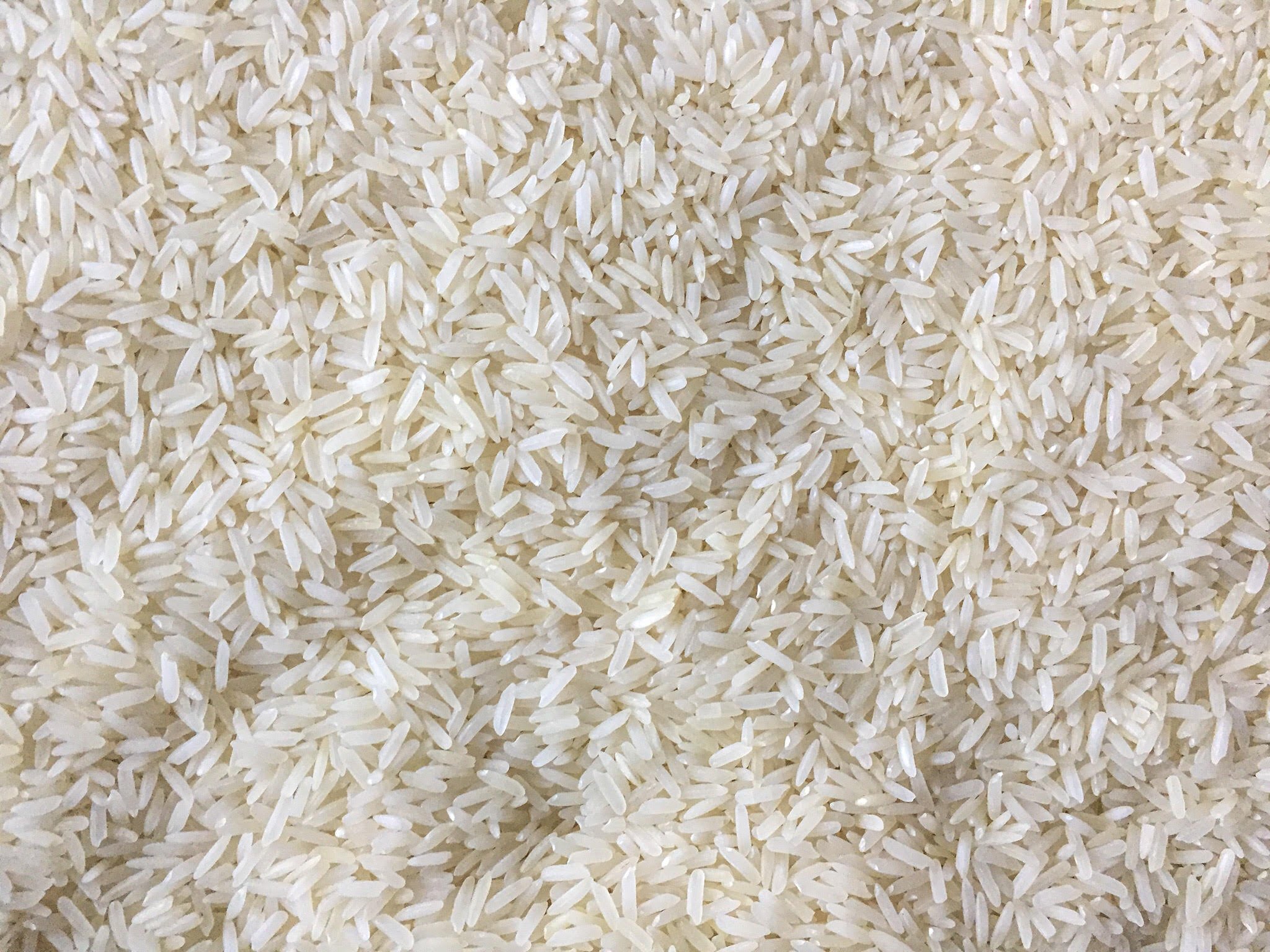
So. Much. Rice.
Food programs are often judged by how many people they serve, but the real constraint is usually cost. Every dollar has to stretch as far as possible without sacrificing reliability or basic nutrition. That is why the question of which staple delivers the most meals per dollar matters so much in practice.
After years of managing large-scale meal production, the comparison comes down to a small group of core staples. Rice, beans, pasta, and to a lesser extent oats. Each has strengths, but when measured across cost, calories, storage, and ease of preparation, clear differences emerge.
Rice is the baseline.
A standard 25 pound bag of white rice can often be sourced in the range of 15 to 25 dollars depending on supplier and volume. That bag yields roughly 250 servings at about 200 calories per serving once cooked. The cost per serving is often well under ten cents. From a calorie perspective, rice delivers a high return. According to the United States Department of Agriculture, white rice contains about 130 calories per 100 grams cooked, making it a dense and efficient energy source (USDA FoodData Central)
Beyond cost, rice performs well operationally. It stores for long periods without spoilage, cooks consistently in bulk, and holds its texture better than many alternatives during distribution. This consistency reduces waste and simplifies planning, which is just as important as the raw ingredient cost.
Beans are often the closest competitor.
Dry beans are also inexpensive and bring the added benefit of protein and fiber. A pound of dry beans can provide multiple servings at a low cost, often comparable to rice when purchased in bulk. From a nutrition standpoint, beans are stronger. They help fill gaps that grains alone do not address.
The tradeoff is time and complexity. Dry beans require soaking or extended cooking times. In a high-volume kitchen, this adds planning overhead and limits flexibility. Canned beans remove some of that friction but increase cost per serving. In many programs, beans are used alongside rice rather than as a replacement, combining efficiency with improved nutrition.
Pasta is widely donated and commonly used, but it presents different challenges.
At first glance, pasta appears similar to rice in cost. A pound of pasta can produce several servings at a low price point. However, pasta is less forgiving once cooked. It can become soft or sticky if held too long, which affects both quality and acceptance. This matters when meals are not consumed immediately.
Pasta also requires boiling water and careful timing at scale. In smaller kitchens this is manageable, but in large operations it can create bottlenecks. While pasta remains a useful staple, it tends to generate more variability in output compared to rice.
Oats are another efficient option, particularly for breakfast programs.
Rolled oats are inexpensive, shelf-stable, and quick to prepare. They provide a good source of fiber and can be portioned easily. In terms of cost per calorie, oats are competitive with rice. The limitation is use case. Oats are not as versatile across meals and are less commonly used for lunch or dinner in many settings. For that reason, they tend to complement rather than replace other staples.
When comparing these foods directly, a pattern becomes clear. Rice offers the most consistent balance of low cost, high calorie yield, long shelf life, and ease of preparation. Beans enhance nutritional value but require more time. Pasta provides variety but introduces handling challenges. Oats serve a specific role but are less flexible.
The World Food Programme has relied on similar logic in global operations, where grains such as rice and wheat form the foundation of large-scale feeding efforts due to their cost efficiency and scalability (World Food Programme).
Another factor that is often overlooked is waste.
Efficiency is not just about how much food you can produce. It is about how much of that food is actually consumed. Rice has a low spoilage rate before cooking and maintains acceptable quality after preparation if handled properly. Beans perform well once cooked but require more precision to avoid undercooking or overcooking. Pasta is more prone to quality loss over time, which can lead to uneaten portions.
Even small differences in waste rates can shift the true cost per meal. A staple that looks inexpensive on paper may become less efficient if a portion of it is discarded.
Labor also plays a role.
A rice-based system can be managed with minimal training. The process is repeatable and easy to scale with standard equipment such as rice cookers or steam kettles. Beans require more oversight during preparation. Pasta demands tighter timing during cooking and serving. When labor is limited, simplicity becomes a major advantage.
In practice, the most effective programs do not rely on a single staple. They build around rice as a base and layer in other foods to improve nutrition and variety. A typical approach might combine rice with beans for protein, add vegetables for micronutrients, and include a source of fat to increase calorie density.
This model keeps costs low while delivering a more complete meal.
The conclusion is not that one food solves every problem. It is that some foods make scale possible. Rice continues to stand out because it meets the core requirements of large food programs better than most alternatives. It is affordable, reliable, and adaptable across different meals and cultures.
For organizations trying to maximize impact with limited resources, those qualities matter more than anything else. The goal is to serve as many people as possible with food that is consistent and accessible. When measured against that standard, rice remains one of the most effective tools available.