
Why Simplicity Wins: The Operational Lessons Most Food Programs Learn Too Late
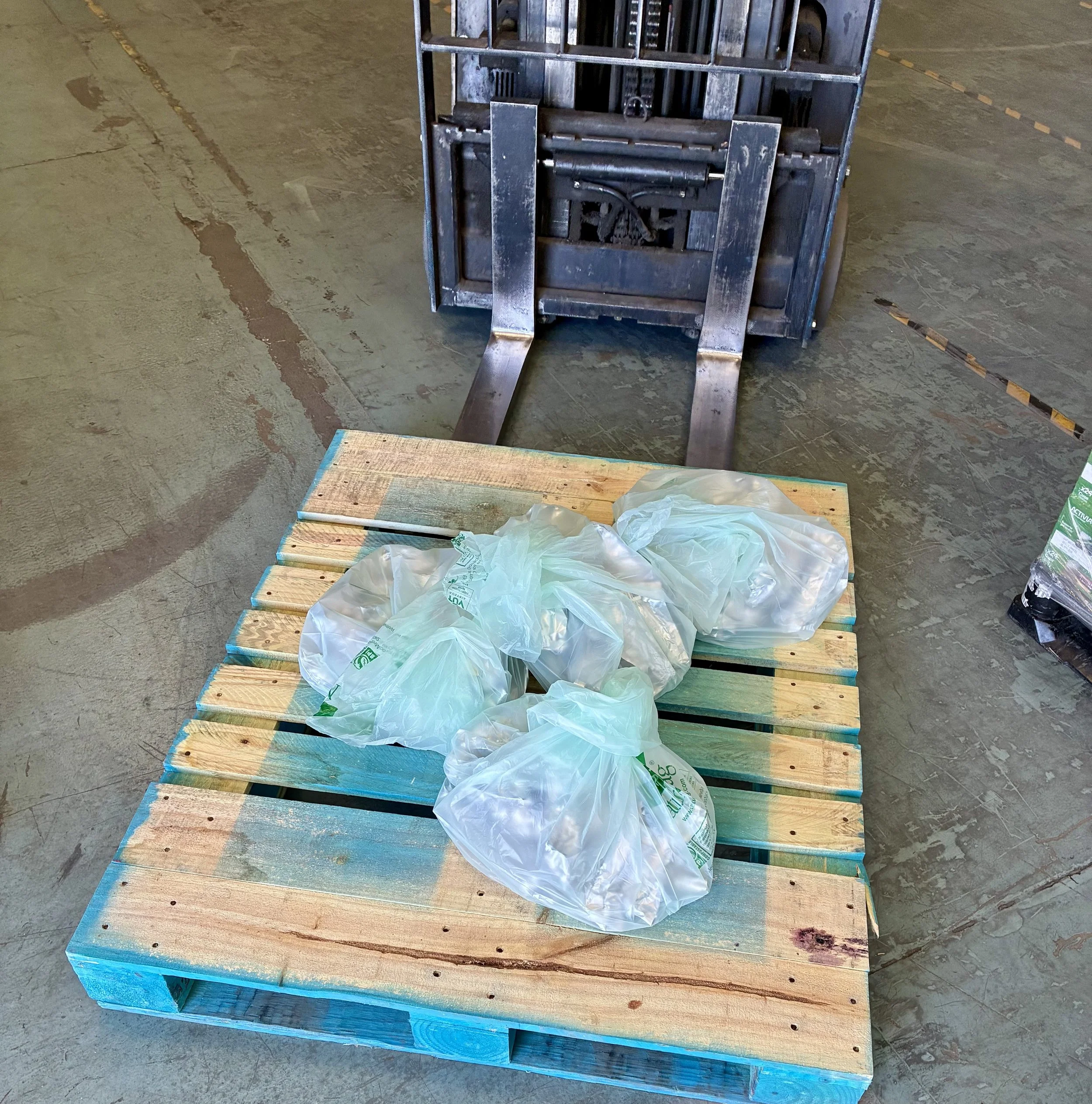
Simple by design
Most food programs begin with good intentions and a desire to provide as much variety as possible. Early on, there is often a temptation to create complex menus, source dozens of ingredients, and offer meals that resemble a restaurant operation more than a scalable community service. Over time, most organizations learn the same lesson. Simplicity wins.
The strongest food programs are not necessarily the most creative. They are the most repeatable.
Running a large-scale meal program means balancing cost, labor, storage, transportation, volunteer coordination, and food safety at the same time. Complexity increases pressure across every part of that system. A meal with ten ingredients may look impressive, but it also creates ten opportunities for delays, shortages, spoilage, or inconsistency.
Simple programs survive because they reduce failure points.
One of the first operational lessons many organizations learn too late is that ingredient count matters. A program built around a small number of staple ingredients can scale far more effectively than one built around constant variation. Rice, beans, oats, pasta, and shelf-stable vegetables work because they are affordable, easy to source, and predictable during preparation.
Predictability matters more than most people realize.
When a kitchen team knows exactly how long a meal takes to cook, how many servings each batch produces, and how ingredients behave during storage, planning becomes easier. Purchasing improves. Waste decreases. Volunteer training becomes simpler. Consistency allows organizations to focus on serving people rather than constantly troubleshooting operations.
The United States Department of Agriculture has repeatedly emphasized the importance of reducing food waste and improving efficiency across food systems because operational losses directly reduce the amount of food reaching communities in need (USDA, https://www.usda.gov/foodlossandwaste).
Labor is another area where simplicity becomes critical.
Many nonprofit food programs rely heavily on volunteers. Volunteers are generous with their time, but most are not trained kitchen staff. Complex meal preparation slows production and increases the likelihood of mistakes. Systems that require extensive preparation, specialized skills, or complicated assembly processes are difficult to sustain over long periods.
Simple systems create accessibility for volunteers. A straightforward process allows new participants to contribute quickly and confidently. It also reduces burnout among staff who are responsible for supervision and coordination.
Storage and transportation create additional pressure that is often underestimated.
Programs built around fresh and highly perishable ingredients require refrigeration capacity, strict timing, and more transportation coordination. This increases operational costs significantly. Shelf-stable ingredients offer more flexibility and reduce the risk of spoilage. They also allow organizations to prepare for demand fluctuations and emergency situations more effectively.
The World Food Programme relies heavily on staple grains and shelf-stable foods in many of its global feeding operations for these exact reasons. Long shelf life and operational reliability allow food systems to scale efficiently across difficult environments (World Food Programme, https://www.wfp.org/food-assistance).
Another lesson organizations learn over time is that simplicity improves consistency in the experience for recipients.
People facing food insecurity are already navigating uncertainty in other parts of life. Reliable access to familiar, filling meals matters. Consistency builds trust. A meal does not need to be complicated to be meaningful. In many cases, a warm and dependable staple meal delivered consistently has greater long-term value than occasional high-complexity meals that are difficult to sustain.
Simplicity also improves financial sustainability.
Many organizations focus heavily on fundraising while overlooking operational efficiency. The reality is that reducing unnecessary complexity can stretch limited budgets much further than incremental increases in donations. Lower ingredient counts reduce purchasing variability. Standardized meals improve bulk ordering opportunities. Simplified workflows reduce labor requirements and equipment strain.
Small efficiencies compound over time.
Saving a few cents per meal may not sound significant, but across tens of thousands of meals, those savings become meaningful. The same is true for labor hours, storage costs, and food waste reduction.
None of this means food programs should become robotic or impersonal. Variety and dignity still matter. Nutrition still matters. Community still matters. But effective programs understand that operational discipline creates the foundation that allows those goals to be sustained over time.
The strongest systems are often the simplest ones. A limited number of reliable ingredients. Repeatable preparation methods. Clear volunteer workflows. Predictable output. Efficient storage and transportation.
These are not flashy decisions, but they are the decisions that allow organizations to continue serving communities year after year.